Few things capture a child’s attention faster than the words “You Win.” Bright colors, flashing buttons, and promises of prizes are intentionally designed to spark excitement and urgency. For young children who are still developing impulse control, these pop up messages can be especially persuasive. While they may look harmless, they often carry risks that parents should understand clearly.
Many “You Win” pop ups are not connected to legitimate contests or rewards. They are engineered to trigger quick clicks. Once clicked, they may redirect users to unfamiliar websites, prompt downloads, or request personal information. In some cases, they attempt to install malicious software. In others, they simply aim to collect data. For adults, these tactics may be obvious. For children, they are confusing and enticing.
The psychological element behind these messages is deliberate. Children respond strongly to immediate rewards. A promise of a prize activates curiosity and excitement before critical thinking has time to intervene. That urgency is part of the strategy. The faster the click, the lower the chance of scrutiny. Teaching children to pause before reacting is therefore one of the most important digital safety habits parents can instill.
Another risk involves data collection. Some pop ups request names, ages, email addresses, or even photos to claim a prize. Young children often do not understand that this information has value. They may view the request as part of the game. Sharing personal details can expose families to spam, targeted advertising, or more serious privacy breaches. Clear rules about keeping names, school information, and photos private are essential safeguards.
There is also the possibility of exposure to inappropriate content. Clicking an unfamiliar pop up can redirect a child to pages that contain material far beyond their maturity level. Even a brief glimpse can be unsettling. Because these redirects happen quickly, children may not have time to process what they saw before the screen changes again. This can leave them confused or anxious without knowing how to explain why.
Financial risks should not be overlooked. Some pop ups are designed to trick users into entering payment information under the illusion of claiming a reward. While most young children do not have access to payment details, shared family devices sometimes store card information. A single click can trigger unintended purchases or subscriptions.
Parents can counter these risks through proactive education. Explain that real prizes do not appear randomly on screens. Emphasize that if something promises a reward in exchange for clicking quickly, it deserves suspicion. Encourage children to stop and ask before interacting with anything unfamiliar. Reinforce that no legitimate prize requires secrecy or immediate action.
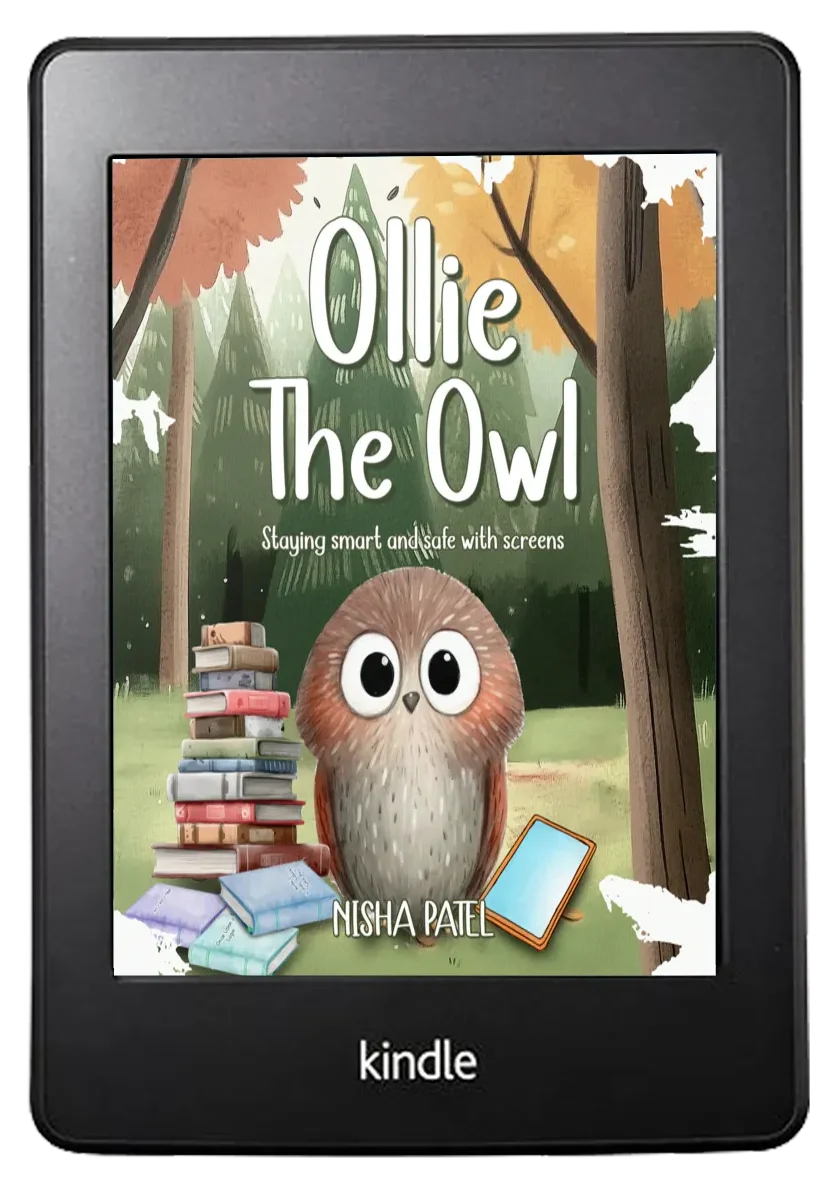
Stories can help simplify this lesson. Ollie the Owl: Staying Smart and Safe with Screens by Nisha Patel introduces young readers to the idea that not everything on a screen is what it seems. Through gentle storytelling, children learn that asking a grown up before clicking is a wise choice. This approach reduces fear while strengthening judgment.
Technology will continue to evolve, and so will the tactics used to attract attention online. What remains constant is the importance of pause, verification, and open communication. When children understand that excitement on a screen should never override caution, they develop a mindset that protects them far beyond a single pop up. Teaching this early transforms a moment of temptation into an opportunity for lifelong digital awareness.
Available On Amazon : https://www.amazon.com/dp/B0GTF6K8Z2/